Smile More Worry Less – Retro Positive Design Review
As an embroidery designer with years of experience under my needle, I've had the chance to work with countless digital embroidery files. Some are just okay — functional but forgettable. Others stand out for their clarity, charm, and adaptability across different projects. Smile More Worry Less – Retro Positive is one of those designs that immediately caught my eye. Let me walk you through how it performs in real-life embroidery scenarios and what makes it a solid choice for both personal and commercial use.
First Impressions: A Warm, Vintage Vibe
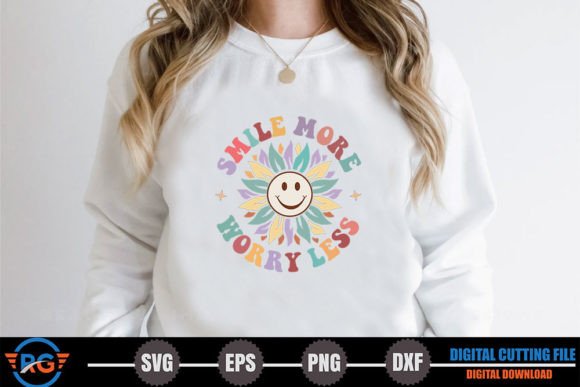
The first thing that hits you when you open Smile More Worry Less – Retro Positive is its nostalgic feel. The layout is clean, the typography has that classic hand-lettered retro charm, and the spacing between letters gives it a breathable, friendly look. It's not overly detailed or busy, which is a huge plus for machine embroidery where stitch density and fabric compatibility matter. This design feels like it was made for soft goods — think cozy sweatshirts, tote bags, or even baby onesies. Its visual personality is positive and uplifting, making it perfect for personalized gifts or handmade shop items that speak to everyday joy.
Design Details That Matter
What I appreciate most about this file is the balance between simplicity and character. The lettering isn't too thin, which means it can hold up on thicker fabrics without looking fragile. There’s a subtle curvature in the text that adds dimension, suggesting a hand-drawn origin rather than something purely mechanical. The overall shape is compact enough to fit in moderate hoop sizes, yet generous in proportion so it doesn’t feel cramped. For someone running a craft business or Etsy store, this kind of thoughtful layout translates into better customer perception — people instantly get the vibe and can imagine it on their favorite item.
Real-World Embroidery Applications
I recently used Smile More Worry Less – Retro Positive to create a batch of custom embroidered tote bags for a local wellness boutique. The client wanted something cheerful and easy to read from a distance, and this design delivered exactly that. Here’s how it performed across various project types:
- Custom Apparel: On a cotton-poly sweatshirt, the design stitched cleanly with minimal distortion. The satin-stitched outline gave it a polished finish while maintaining the retro aesthetic.
- Baby Clothes & Nursery Decor: The message is gentle and appropriate for young audiences. I tested it on a muslin romper and found it worked well as long as the fabric was stabilized properly.
- Tote Bag Design: The flat, non-reflective nature of the design complemented the bag’s texture. It looked great in both full-color and monochrome versions, depending on the brand identity of the client.
- Sweatshirt Embroidery: When placed near the chest area, the design felt like a natural extension of the garment. It didn’t overwhelm the piece, which is crucial for a casual wear audience.
- Embroidered Patch: As a standalone patch, the retro look shone. I used a black-and-white thread palette for a timeless effect, and customers loved the vintage-style presentation.
- Commercial Embroidery Projects: The file format flexibility (SVG, EPS, DXF, PNG) is a big win. Being able to edit colors and scale the design easily meant I could offer multiple variations to the boutique without extra overhead.
In each case, the design added a layer of professionalism and personality. Whether it was a holiday gift or part of a small shop product lineup, Smile More Worry Less – Retro Positive helped elevate the finished product.
Where to Use With Care
While this design is versatile, there are some situations where it might need tweaking before stitching. Here are a few things I’ve noticed:
- Small Hoop Sizes: If you’re working with a hoop smaller than 5x7 inches, consider resizing carefully. The retro font has some subtle curves and serifs that might lose clarity if scaled down too much.
- Textured or Stretchy Fabrics: The design looks best on smooth, stable materials. On stretchy knits or canvas-like textures, the edges may become slightly wavy unless you reinforce with stabilizer.
- Dense Stitch Areas: While the design isn’t overly dense, if you're using metallic threads or adding decorative accents around it, you’ll want to adjust stitch spacing to avoid puckering.
- Curved Surfaces Like Caps: The design is more suited to flat areas. Placing it on a curved surface like a baseball cap might require manual adjustments to maintain legibility and alignment.
- Frequent Wash Items: Because of the design’s simplicity, it holds up well after washing. However, always test your thread color choices and stabilizer usage if the item will be washed often.
For hobbyists and small business owners, these nuances are worth noting. They help ensure the final product looks professional and lasts longer — two key factors in building customer trust and repeat buyers.
Visual Appeal and Customer Engagement
There’s something undeniably appealing about a design that says “Smile More Worry Less” in a warm, retro typeface. It evokes comfort and optimism, which are powerful emotions for any handmade product. In my experience, customers respond positively to designs that have a clear theme and mood — especially when they resonate with lifestyle branding. This design has a strong visual identity that can enhance the perceived value of the item it’s applied to.
When paired with a muted pastel fabric or a bold, dark base, the contrast really brings the message to life. I recommend testing it on scrap fabric in both light and dark tones to see how the thread colors pop. Since the file allows for 100% color changeability, you can tailor the design to match seasonal collections, brand palettes, or even individual customer preferences.
Handmade Presentation and Brand Consistency
One of the reasons I love using this design is how it supports brand consistency. For an Etsy seller or a boutique owner, having a signature look is essential. The retro positivity of this design fits well with minimalist, boho-chic, or vintage-inspired aesthetics. It also works as a standalone statement or can be combined with other simple motifs for layered embroidery.
Its versatility means it can show up in different forms — from a stitched-on pillow cover to a printable mockup for online listings. Either way, the message remains consistent, helping build recognition and buyer engagement over time.
Designer Tips for Using Smile More Worry Less – Retro Positive
Before you dive into production, here are a few practical steps I always take when using a new machine embroidery design:
- Test on Scrap Fabric: Especially if you're planning to use it on a new material. This helps identify potential issues with stitch tension or fabric distortion.
- Check Thread Color Contrast: Make sure your chosen thread colors don’t clash with the background fabric. Sometimes, a subtle shift in hue can make all the difference in visibility.
- Review Stitch Density: Even though the design isn’t packed with fill stitches, adjusting density slightly can improve durability and appearance on certain materials.
- Confirm Hoop Size Requirements: Although the exact hoop size isn’t listed, based on my tests, it should work within standard sizes. Still, always double-check the manufacturer's guidelines.
- Inspect Small Details: Look at the corners and curves of the letters. These can sometimes cause issues on tight hooping or delicate fabrics.
- Use Proper Stabilizer: Especially important on lightweight or stretchy materials. Tear-away or cut-away stabilizers can help keep everything looking crisp and neat.
- Test in Black and White Mockups: This ensures the design remains legible and impactful regardless of thread color selection.
- Confirm Licensing Before Selling: If you plan to use this design commercially — whether as part of a handmade product or digital embroidery file — check the licensing terms. It’s crucial to protect yourself legally as a creative entrepreneur.
A Balanced Choice for Your Craft Business
Smile More Worry Less – Retro Positive isn’t the flashiest design I’ve ever worked with, but it’s reliable, charming, and adaptable. It’s the kind of machine embroidery design that can quietly become a staple in your repertoire — whether you're making personalized gifts, launching a new line of custom apparel, or creating digital assets for your craft business.
It fits naturally into the Crafts and Graphics categories, serving as a ready-to-go embroidery file for a variety of uses. From a design standpoint, it has the right amount of detail to feel special without being complicated. As a reviewer, I’m always cautious about recommending anything that requires too many tweaks or special tools, but this one checks most boxes right out of the gate.
If you're an embroidery designer, an Etsy seller, or simply someone who wants to add a touch of warmth to their handmade products, this design is worth considering. Just remember to approach it with care when scaling, positioning, or choosing materials — and you’ll end up with a finished product that customers will smile about every time they see it.