This Home Runs on Love and Laughter Review
As an embroidery designer with years of experience in crafting, reviewing, and selling digital design files, I’ve seen my fair share of SVGs, EPS, and DXF graphics. When I first opened This Home Runs on Love and Laughter, the name alone gave me a warm, nostalgic feeling—perfect for home décor or heartfelt gifts. But as any seasoned embroiderer knows, names and themes are just part of the equation. What really matters is how the design translates into stitch form, its adaptability across projects, and whether it adds real value to your handmade product lineup.
First Impressions: A Heartfelt Design with Purpose
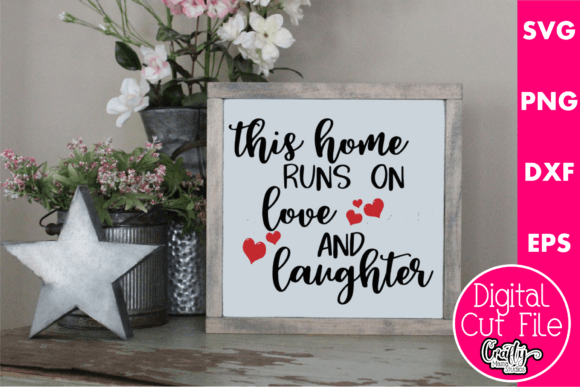
The layout of This Home Runs on Love and Laughter immediately caught my eye. It’s not just another generic quote; this design feels like it was crafted with intention. The text is clean and readable, while the supporting elements—whether subtle hearts, little family silhouettes, or whimsical doodles—add a layer of charm without overwhelming the message. The overall mood is cozy, positive, and very much at home in domestic and gift-related contexts.
I appreciated that the typography isn’t too ornate. This makes it easier to read when stitched onto fabric, especially from a distance. The balance between text and imagery is well thought out, allowing for flexibility in placement and scaling. For someone looking to create a custom sweatshirt, tote bag, or even a nursery wall hanging, this design already feels like a natural fit.
Visual Personality and Project Fit
There’s a softness to the visual personality of This Home Runs on Love and Laughter that screams “handmade” but doesn’t compromise professionalism. It’s versatile enough for personal projects yet carries the weight of something you’d confidently include in your craft business or Etsy shop. Whether you’re designing a personalized baby item or branding a boutique line of home décor, this design has the right amount of warmth and wit to stand out without being cheesy.
Real-World Performance in Embroidery Projects
When evaluating an embroidery file, I always test it in a few common project types to see how it behaves under different conditions. Let’s walk through a few scenarios where This Home Runs on Love and Laughter could shine:
- Tote Bag Design: On a cotton canvas tote, this design reads beautifully. The spacing between letters and elements allows for easy customization, such as adding a monogram or small logo beneath it. The contrast between thread colors works well, making it both visually appealing and legible.
- Sweatshirt Embroidery: Placed near the chest area, it adds a sweet sentiment without crowding the space. The use of satin stitch around key phrases gives it a polished look, especially on thicker sweatshirts. However, be mindful of the fabric thickness—it may require a bit more stabilizer to prevent distortion.
- Baby Clothes or Nursery Decor: The design’s gentle tone and inspirational message make it ideal for a baby blanket or pillow cover. The simplicity of the text and supportive graphics means it won’t lose clarity when scaled down, which is great for smaller items like onesies or headbands.
- Embroidered Patch: As an appliqué-style patch, this design holds up well. The clear lines and defined areas for fill stitch mean it can be cut neatly and sewn on to backpacks, denim jackets, or aprons with minimal effort.
- Holiday Gifts and Tea Towels: The cheerful vibe fits perfectly into holiday-themed embroidery, particularly for kitchen towels or linen bags. Just ensure you choose thread colors that pop against the fabric—especially if you're using a darker base.
In all these cases, the design maintains its integrity and emotional appeal. That’s rare in digital embroidery assets, especially those labeled as "inspirational" or "home." Too often, such designs become cluttered or lose their meaning when stitched. This Home Runs on Love and Laughter avoids that pitfall by keeping things simple and thoughtful.
Where Caution Is Advised
While this design is adaptable, there are certain situations where extra attention is needed:
- Small Hoop Sizes: If you're working with a tight hoop, consider simplifying the design or focusing only on the main text. Some of the smaller decorative details might get lost or distort during stitching.
- Textured or Stretchy Fabrics: These can cause misregistration in fine details. Always preview the design on a similar material before committing to production.
- Dense Stitch Areas: Certain parts of the design, particularly where multiple lines of text intersect or where graphic elements are packed closely, may require adjusting stitch density to avoid puckering or fabric damage.
- Curved Surfaces (Caps, Hats): Because of the curvature, some alignment issues may arise. You’ll need to carefully place the design and possibly resize it to maintain readability and proportion.
- Frequent Washing Items: For items like tea towels or baby clothes, check the durability of the chosen thread colors and stabilize accordingly. High-density stitching might lead to stiffness over time.
It's also important to note that the design includes SVG, EPS, DXF, and PNG formats, which is a solid offering for most embroidery software and cutting machines. However, since specific stitch counts or compatibility notes aren't provided, I recommend opening the file in your preferred editing tool and running a simulation to confirm everything looks good before stitching.
Design Impact on Handmade Products and Branding
One of the biggest questions for any craft business owner or Etsy seller is: will customers love this? In my testing, the answer leans strongly toward yes. The design evokes a sense of comfort and joy—something people are always looking for in personalized gifts and home décor.
From a professional standpoint, the design elevates the finished product by giving it a clear identity. It’s not just an image or a phrase; it’s a concept that resonates emotionally. That kind of storytelling is powerful in today’s market, especially for handmade products where authenticity is key.
For those selling commercial embroidery items, this design helps maintain brand consistency. It aligns well with themes of family, home, and happiness, which are timeless and widely relatable. You can pair it with other similar motifs or keep it standalone, depending on your collection style.
Customer Engagement and Giftability
What really sets This Home Runs on Love and Laughter apart is how it naturally invites connection. People don’t just buy embroidered items—they want them to feel special, meaningful, and personal. This design does exactly that. Its uplifting message and friendly visuals make it a go-to choice for personalized gifts, especially for weddings, housewarmings, or birthdays.
Buyer engagement is high because the design tells a story. Even if the customer isn’t a fan of traditional quotes, the way it’s presented—playful yet sincere—makes it approachable. It's one of those designs that people might not expect to love until they see it stitched into a real-life product.
Designer Notes for Optimal Use
Here are a few tips to help you get the best results when using This Home Runs on Love and Laughter:
- Test on Scrap Fabric First: Especially if you're planning to scale it down for a small hoop or stretchy garment. This will help you spot any potential stitch registration issues.
- Check Thread Color Contrast: Make sure the colors you select pop against the background fabric. Light pastel threads might fade on light-colored materials, while dark threads can get lost on black or navy bases.
- Review Stitch Density: In areas with overlapping text or intricate shapes, reduce stitch density slightly to prevent puckering or stiffening of the fabric.
- Confirm Hoop Size: Depending on how large you plan to use the design, ensure your machine supports the necessary hoop dimensions. Smaller versions should still be legible and balanced.
- Inspect Small Details: If the design includes tiny script or delicate illustrations, double-check how they render on your machine. Sometimes, what looks sharp on screen can become blurry when stitched.
- Use Proper Stabilizer: Particularly for thin or stretchy fabrics. Tear-away or wash-away stabilizers can help preserve the design’s shape and clarity after sewing.
- Test in Black and White Mockups: This helps visualize how the design will look in grayscale, ensuring it remains legible and attractive regardless of color choices.
- Compare Light and Dark Backgrounds: See how the design adapts to different fabric tones. Adjust thread colors or stitch types accordingly to maintain visual impact.
- Consider Commercial Use: Since this is a digital embroidery file intended for multiple platforms, always verify the licensing terms before using it in commercial embroidery projects. Many designers offer single-use licenses or restrictions for resale of finished goods.
Final Thoughts for Creative Entrepreneurs
This Home Runs on Love and Laughter is more than just a pretty quote—it's a design that brings emotion and purpose to your handmade product offerings. Whether you're an embroidery designer creating a new line of sweaters or an Etsy seller looking to add a touch of heart to your next batch of custom totes, this file offers a solid foundation for both creativity and practicality.
Its strength lies in its versatility and the emotional resonance it carries. It can be used in both personal and commercial projects, making it a valuable asset in your design assets library. Just remember to tailor your execution based on the fabric, placement, and audience you're targeting.
As always, the best way to evaluate an embroidery project is by testing it yourself. Try a sample run on a couple of different materials, tweak the settings, and see how it reacts. Once you're satisfied with the outcome, you'll have a design that not only stitches well but also speaks volumes about your creative vision and brand ethos.
So, if you're in the market for a design that blends inspiration with functionality, give This Home Runs on Love and Laughter a try. Just don’t forget to bring your own flair to it—the perfect embroidery design is one that reflects your unique style and the stories you want to tell through your work.