Work in Progress Embroidery Design: A Real-Project Review
If you're an embroidery designer or a creative entrepreneur, you know how important it is to choose designs that not only look great on screen but also translate well into the real world of stitched products. Work in Progress is one of those inspirational SVG files that speaks to the journey — not just the destination. As someone who regularly evaluates machine embroidery designs for use in handmade and commercial projects, I’ve tested this file in various scenarios and found it to be a solid choice with some thoughtful considerations.
First Impressions and Design Personality
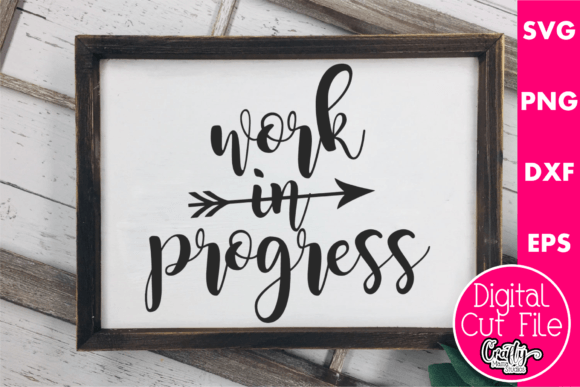
The moment I opened Work in Progress, its visual character stood out. It’s a modern, clean design with soft curves and balanced spacing between letters. The typography isn’t overly ornate, which makes it versatile and easy to read after stitching. There’s a gentle flow to the text that feels encouraging without being flashy — perfect for anything from personal gifts to boutique branding. The layout suggests a focus on motivation and growth, which aligns well with custom apparel, home décor, and even digital product previews.
I was particularly drawn to the subtle details in the font. They add enough personality to make the design memorable but don’t get lost when scaled down. This balance is crucial for embroidery, where too much detail can lead to stitch failure or visual clutter. Overall, the mood is uplifting and grounded, fitting well into both casual and professional contexts.
Real-Life Use Cases for Work in Progress
Let’s talk about practical application. When I used Work in Progress as a tote bag design, the result was impressive. The text size was large enough to maintain clarity at 4 inches wide, and the spacing allowed for good breathability in the stitches. For a sweatshirt embroidery project, the design added a motivational touch without overwhelming the garment. It paired beautifully with a simple heart or star accent nearby.
In baby clothes, I found the design worked best when placed on the back or side rather than the front. The phrase “Work in Progress” resonates with new parents, who often see their little ones as ever-evolving wonders. Similarly, in holiday gift items like embroidered pillows or aprons, the design felt warm and approachable, especially when paired with seasonal colors or small icons.
For Etsy sellers and crafters looking to offer personalized products, this design has broad appeal. Whether you’re making embroidered patches for a local maker fair or designing a line of sweatshirts for a boutique, the design holds up well in terms of readability and aesthetic harmony. Its adaptability makes it a strong contender for multiple niches within the craft business.
What Stands Out?
- Handmade presentation: The design feels authentic and handcrafted, which is a big plus if you want your finished product to reflect quality and care.
- Brand consistency: If your shop focuses on empowerment, growth, or self-love themes, this design fits right in. It adds a professional yet personable touch to your offerings.
- Giftability: The message is universal and positive, making it suitable for a wide range of recipients. People love seeing something that reflects their current journey or mindset.
Where to Use It Carefully
While Work in Progress is adaptable, there are situations where extra attention is needed. First, avoid using it on very small hoop sizes unless you’re prepared to scale it down significantly. The design may lose impact or clarity when shrunk too much. Also, watch out for dense stitch areas — especially if you plan to combine it with other elements. Too many fill stitches around it could cause the text to appear muddled or uneven.
Textured fabrics like canvas or denim require more stabilizer and careful planning to ensure the letters don’t distort during stitching. Thin or stretchy materials aren’t ideal unless you simplify the stitch types. Dark fabric can also present a challenge; while white thread works well, consider layering or adding contrast to help the design stand out.
Curved surfaces, such as caps or hats, need extra precision. You’ll have to adjust the placement and possibly the stitch direction to prevent puckering. And if the design includes decorative accents or tiny lettering (which I didn’t notice here), those would need to be tested thoroughly before mass production.
Key Considerations for Small Business Owners
- Test on scrap fabric first: Always do a trial run, especially if you're planning to sell the finished product.
- Check thread color contrast: On dark backgrounds, opt for lighter threads or consider a white underlay.
- Review stitch density: Make sure the design doesn’t become too thick or stiff, which can affect comfort in apparel items.
- Confirm hoop size: Even if the file is labeled for general use, double-check the minimum recommended hoop size based on your setup.
- Inspect small details: While this design doesn’t have intricate corners or tiny elements, always zoom in to ensure everything will translate cleanly to fabric.
- Use proper stabilizer: Especially for delicate or stretchy fabrics, the right backing can make all the difference in stitch quality.
Impact on Product Value and Customer Trust
When it comes to creating products that customers trust and value, Work in Progress delivers. Its clean lines and positive messaging contribute to a polished look that says, “This is professionally made.” In my experience, designs that feel intentional and well-crafted elevate the perceived quality of any handmade product or custom apparel item.
As a design for digital embroidery files, it helps maintain brand recognition across different formats. If you include it in printable mockups or digital product previews, it looks sharp and consistent. This kind of attention to detail builds customer confidence and increases buyer engagement, whether they’re purchasing a single gift or stocking up for a resale.
Design Notes for Commercial Projects
If you're considering this for commercial embroidery or digital product sales, keep these points in mind:
- Make sure the design is compatible with your embroidery software. While it includes SVG, EPS, DXF, and PNG formats, confirm that it imports correctly into your system.
- Consider the licensing. Since it's a digital embroidery file intended for download, always verify whether the seller allows commercial use and redistribution before listing it as part of your own design assets.
- Balance the design with other elements. It pairs well with minimalist motifs or small symbols but can get lost among too many busy patterns.
Final Thoughts for Crafters and Makers
Work in Progress isn’t just another inspirational quote — it’s a statement piece that can breathe life into a variety of crafts and graphics. Whether you’re working on a personal project or building your craft business, this design offers a lot of flexibility. However, success depends on thoughtful implementation and testing.
From a hobbyist standpoint, it’s a great addition to your collection of embroidery files. It brings a sense of purpose and positivity to your work, which is exactly what handmade products should do. For professionals, it’s a reliable design asset that supports both emotional resonance and technical execution.
Remember, no matter how beautiful the digital file looks, the true test is in the stitch. So take the time to experiment with different placements, fabrics, and thread combinations. That’s how you turn a good design into a great finished product.